Biodiversity
Biological diversity is invaluable to humanity, as it not only sustains life, but also contributes to the health and functioning of ecosystems. The Carpathian Mountains are of great importance for the preservation of biological diversity due to their abundance of habitat types and plant species with of approximately 133 habitat types and 3,988 plant species, including endemic varieties. The region exhibits the largest pristine forests in Europe, with the broadest primeval forests. In addition, the Carpathians are home to the richest population of large carnivores in Europe.
Human actions are fundamentally, and to a significant extent irreversibly, changing the diversity of life on Earth. For that reason, Article 4 of the Carpathian Convention requires the Parties to take specific measures regarding the conservation and sustainable use of biological and landscape diversity.

Working Group on Biodiversity
The Working Group (WG) on Biodiversity leads and directs various activities and initiatives related to biodiversity conservation. These include the implementation of the Biodiversity Protocol and the Carpathian Biodiversity Framework Implementation Plan.
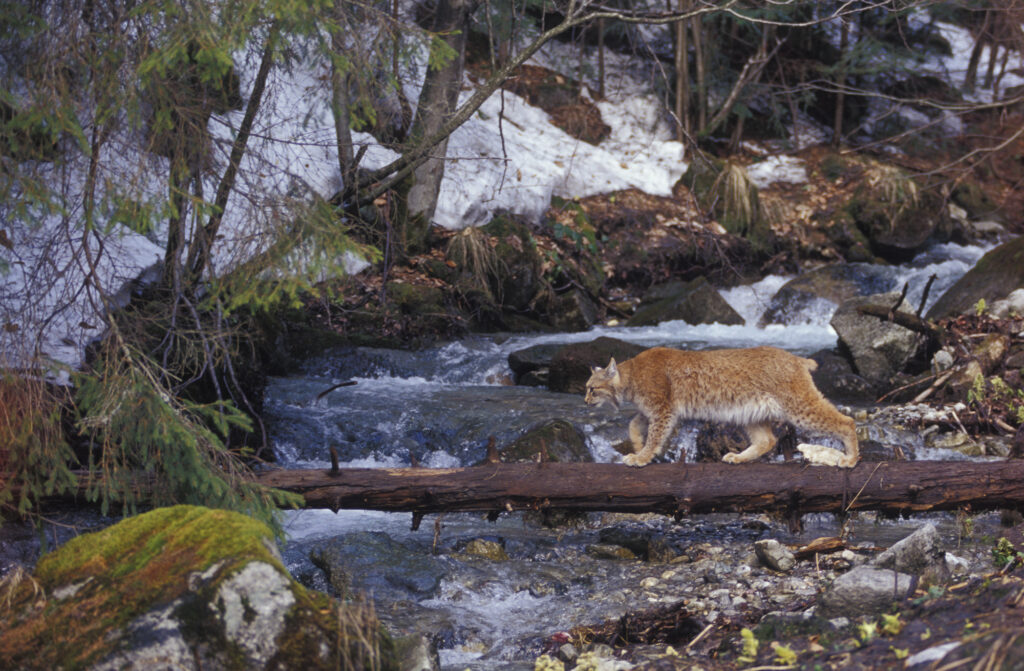
Large Carnivore Expert Group
The Large Carnivore Expert Group is a subsidiary body of the WG Biodiversity and leads and directs activities related to large carnivores. These include the implementation of the International Action Plan on Conservation of Large Carnivores and Ensuring Ecological Connectivity in the Carpathians and the Carpathian Lynx Strategy.
Related Initiatives
Protocols and related Strategic Documents
The Carpathian Biodiversity Framework
The Carpathian Convention supports the implementation of the Convention on Biological Diversity and the Kunming-Montreal Global Biodiversity Framework (KMGBF) at the Carpathian level, and increases synergies between other relevant conventions and processes. The Carpathian Biodiversity Framework was developed and adopted at the 7th Meeting of the Conference of the Parties (COP7) in October 2023, becoming the first region in the world to translate the KMGBF goals and targets into policy actions at the regional level.
The Carpathian Biodiversity Framework translates the KMGBF goals and targets into policy actions for the Carpathian region. It is accompanied by the Carpathian Vision 2050, which reflects the global vision of living in harmony with nature and includes a set of 8 Strategic Objectives for the Carpathian region that correlate with the thematic articles and protocols of the Carpathian Convention.
By 2050, the Carpathians is a thriving and sustainable region where people live in harmony with nature. The biodiversity and natural beauty of the Carpathians are conserved, restored, and wisely used, providing a healthy environment and essential ecosystems services for all people of the region and beyond.
Conservation, restoration and sustainable use of biodiversity in the Carpathians is enhanced, by harmonized and coordinated efforts and cooperation on conservation, maintenance and sustainable use of natural and semi-natural habitats and securing habitat continuity and connectivity; restoration of degraded habitats; conservation and sustainable use of species of flora and fauna characteristic to the Carpathians, especially endangered or endemic species and large carnivores; and conservation and restoration of wetlands and fresh water ecosystems.
The Carpathian forests are sustainably managed and protected by, inter alia, improving the health and vitality of the forests; improving the conservation and sustainable use of forest biodiversity; identifying and protecting natural, especially virgin forests; promoting the restoration of close-to-nature forests; and enhancing the role of the forest-based sector in mitigating climate change.
Tourism in the Carpathians is sustainable, thanks to enhanced cooperation that maximizes the positive benefits of tourism for biodiversity, ecosystems, and economic and social development, while mitigating negative ecological, environmental and socio-economic impacts from tourism.
Transport and related infrastructure in the Carpathians is developed sustainably with the objective to contribute to the overall sustainable development of the region while avoiding, minimizing and, where necessary, mitigating or compensating negative environmental and socio-economic impacts of transport and related infrastructure development, including through, inter alia, development and promotion of environmentally friendly transport models and systems, particularly in environmentally sensitive areas.
The agriculture sector in the Carpathians, including traditionally cultivated land, is maintained and developed sustainably. Traditional knowledge and sustainable agriculture practices are maintained, enabling rural communities to flourish while preserving the natural resources and cultural heritage of the Carpathians.
The resilience of the Carpathian region is strengthened through climate change mitigation and through increased regional adaptation actions within the Carpathian Convention activities.
Awareness about the objectives and main sustainable development aspects of the Carpathian Convention is strengthened among the general public in the Carpathians. Lifelong learning and global education approaches are integrated into the Carpathian Convention activities and cross-sectoral cooperation and synergies across projects are enhanced, bridging together local and regional actors and strengthening partnerships towards sustainable development of the Carpathians.
Cooperation with Ukraine on protecting and sustainably developing the whole Carpathian region is strengthened to better address the direct and indirect impacts of the war in Ukraine on the Carpathians, particularly on the natural environment and nature protection services.
Mechanisms for Implementing the Carpathian Biodiversity Framework
CARPATHIAN BIODIVERSITY FRAMEWORK IMPLEMENTATION PLAN
To concretise the Carpathian Biodiversity Framework’s 8 Strategic Objectives into an action plan for driving tangible biodiversity outcomes on the ground, the Carpathian Biodiversity Framework Implementation Plan 2027-2035 was developed and adopted by the Carpathian Convention. It was adopted at the First Extraordinary Conference of the Parties in February 2026.
NATIONAL BIODIVERSITY STRATEGIES AND ACTION PLANS
To streamline the Carpathian Biodiversity Framework into existing reporting mechanisms, the Secretariat worked to reflect the Carpathian biodiversity policy actions into the Carpathian countries’ national biodiversity strategies and action plans (NBSAPs), which must be revised in light of the new KMGBF and submitted to the Convention on Biological Diversity. This process will avoid isolated approaches for the implementation of the KMGBF and make the best use of limited financial and human resources.
TRILATERAL MEMORANDUM OF COOPERATION
To further strengthen these efforts, the Convention on Biological Diversity, the Alpine Convention, and the Carpathian Convention renewed the trilateral Memorandum of Cooperation in the light of the GBF that shall facilitate the implementation of the new framework and guide the way for effective mountain biodiversity protection in the Alpine and Carpathian regions and beyond, and importantly support experience and knowledge sharing with other mountain regions of the world.
Select Documents
Full document | Factsheet | Carpathian strategy for enhancing biodiversity and landscape conservation outside and inside protected areas
Full document | Factsheet | Strategy for local sustainable tourism development based on natural and cultural heritage of the Carpathians
Related projects
- LECA – Supporting the coexistence and conservation of Carpathian Large Carnivores (Interreg Central Europe)
- NaturaConnect – Building a resilient ecological network of conserved areas across Europe for nature and people (HorizonEurope)
- Centralparks – Building management capacities of Carpathian protected areas for the integration and harmonization of biodiversity protection and local socio-economic development
- ConnectGREEN – Restoring and managing ecological corridors in mountains as the green infrastructure in the Danube basin
- SaveGREEN – Safeguarding the functionality of transnationally important ecological corridors in the Danube basin
- Other projects
Mountain Biodiversity Platform
Why does mainstreaming the conservation and sustainable use of mountain biodiversity matter for well-being?
This Mountain Biodiversity Platform aims to present good practices from the Carpathian region in key economic areas. It hopes to raise the awareness of policy makers and the media to help them recognize the value and benefits of integrated ecosystem management; thus encouraging governments and other stakeholders to use the approach in development planning.
Vienna Programme Office
Secretariat of the Carpathian Convention
UN Environmnent
Vienna International Centre
PO Box 500
A – 1400 Vienna
Tel: +43 1 260 60 83038
Mail: info.carpathianconvention@un.org
TOPICS:
Large Carnivores
Education for Sustainable Development
© Secretariat of the Carpathian Convention
POWERED BY: